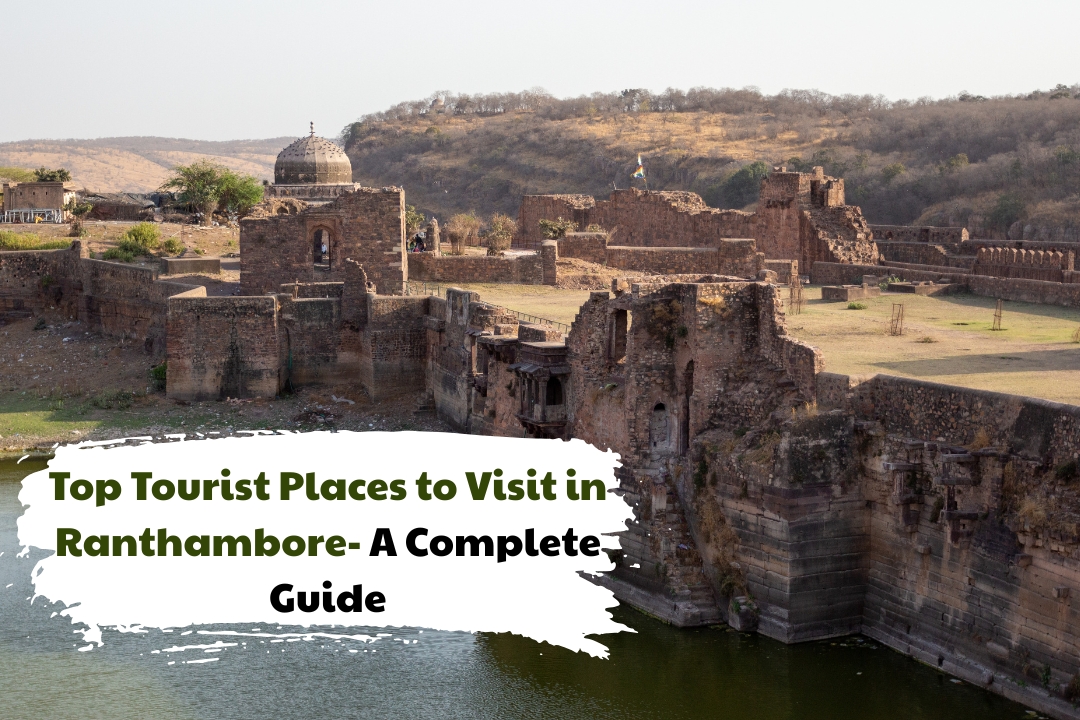
Ranthambore isn’t the kind of place you forget easily. Tigers may be the main attraction, but they’re far from the only reason people remember this place. One moment you’re driving through dense forest, and the next you’re looking at the ruins of an old fort rising above the trees. Quiet lakes sit beside dusty safari tracks, and the landscape feels raw rather than carefully put together in places to visit in Ranthambore. There’s nothing staged about Ranthambore, and that quiet, natural feel is what makes visitors return. And that effortless charm is what makes visitors want to return. This guide takes you through what makes Ranthambore National Park so popular, the key tourist spots worth exploring, and the best time to plan your visit so you can make the most of your trip.
Ranthambore is mainly known for tiger sightings, but people remember it for how the safaris actually feel. The Ranthambore has open areas, lakes, and old tracks, so drives don't feel closed in or repetitive. You’re not just waiting quietly the whole time there’s always movement around you.
Another reason the park stands out is how naturally wildlife fits into the landscape. Tigers are often seen resting near lakes or walking along old paths, while deer, monkeys, and birds are almost always around. You don't need a single dramatic moment to enjoy Ranthambore, the experience builds gradually, and that steady sense of connection with nature is what makes the park so well known.
Ranthambore National Park is usually the first stop for most visitors. The safari routes move through a mix of forest patches, open tracks, and natural lakes which helps each drive feel a little different. Some stretches stay quiet and slow, while others show movement without warning. Even when sightings are limited, the changing landscape makes the experience feel engaging rather than routine.
Things to do in this area :Ranthambore Fort feels completely different from the rest of the park. Even though it sits inside the forest, the atmosphere here is calm and slow. Stone paths, old gateways, and scattered temples make the walk feel quiet and unhurried. Once you reach the higher points, the view stretches across the forest and lakes below, giving a clear sense of how vast the area really is.
What to explore here :Padam Talao is one of the most active spots inside the park, especially during warmer months. Animals often pass through this area, mainly because of the water. The lake plays a big role in that, especially during warmer months. Safaris usually slow down around this area, giving visitors time to observe what’s happening around the lake.
Things worth doing here:Raj Bagh Ruins sit quietly between forest paths and lakes. Old stone walls and arches blend into the surroundings, making the area feel largely undisturbed. Animals move through the ruins quietly, so sightings often happen unexpectedly if you’re not watching closely.
What to explore here:Kachida Valley feels more rugged and open compared to many other areas of the park. The terrain is uneven and safari vehicles are fewer, which makes the drive feel noticeably less crowded. This area doesn’t draw much attention, but it shows a very different side of Ranthambore.
Activities you can enjoy here:Early mornings are usually the calmest time to visit, before the area gets busy. Being located inside the fort complex, the temple feels naturally connected to the forest around it. The surroundings are quiet, and the walk up adds to the overall experience rather than feeling rushed.
Things you can do here:This small temple is mostly visited by locals and doesn’t feel like a typical tourist stop. The place reflects how villages and the forest influence each other over time. A short visit here adds a local touch to the trip that many visitors overlook.
What you can do here:Ranthambore can be visited from October to June, as the park remains closed during the monsoon months. The period from October to March is ideal for sightseeing and safaris because the weather is pleasant and comfortable. If wildlife sightings, especially tigers, are your priority, April to June is considered better, as animals are more active around water bodies despite the heat.
People usually come for the safaris, but there’s enough around the park to fill the rest of the day as well.
These small experiences make the trip feel fuller, even outside the safari drives.
Ranthambore isn’t about just one thing. Over the course of a trip, you move between old forts, quiet lakes, less-crowded areas, and forest drives that don’t feel hurried. Every place adds something of its own, so the trip doesn’t start feeling the same after a while. When you plan the timing properly and pick a few places instead of trying to cover everything, the days feel easier to manage. Ranthambore suits travelers who don’t want to rush from one spot to another but still want variety along the way. This guide can help you get started, and from there, you can shape the trip around what you actually enjoy doing.
Top Tourist spots in Ranthambore includes Ranthambore Fort, Trinetra Ganesh Temple like amazing scenic waters of Padam Talao and Surwal lake and more
The best time to visit Ranthambore is between October to march because during this time you can enjoy pleasant weather, comfortable safari and better wildlife seeing
Ranthambore National Park is famous for high chances of sighting Bengal Tigers in their natural habitat also you can sight a number of other wildlife too like leopards, Sloth Bears, Deer and birds.